
The Science Behind Endurance in Long-Distance Running
The Science Behind Endurance in Long-Distance Running
Introduction
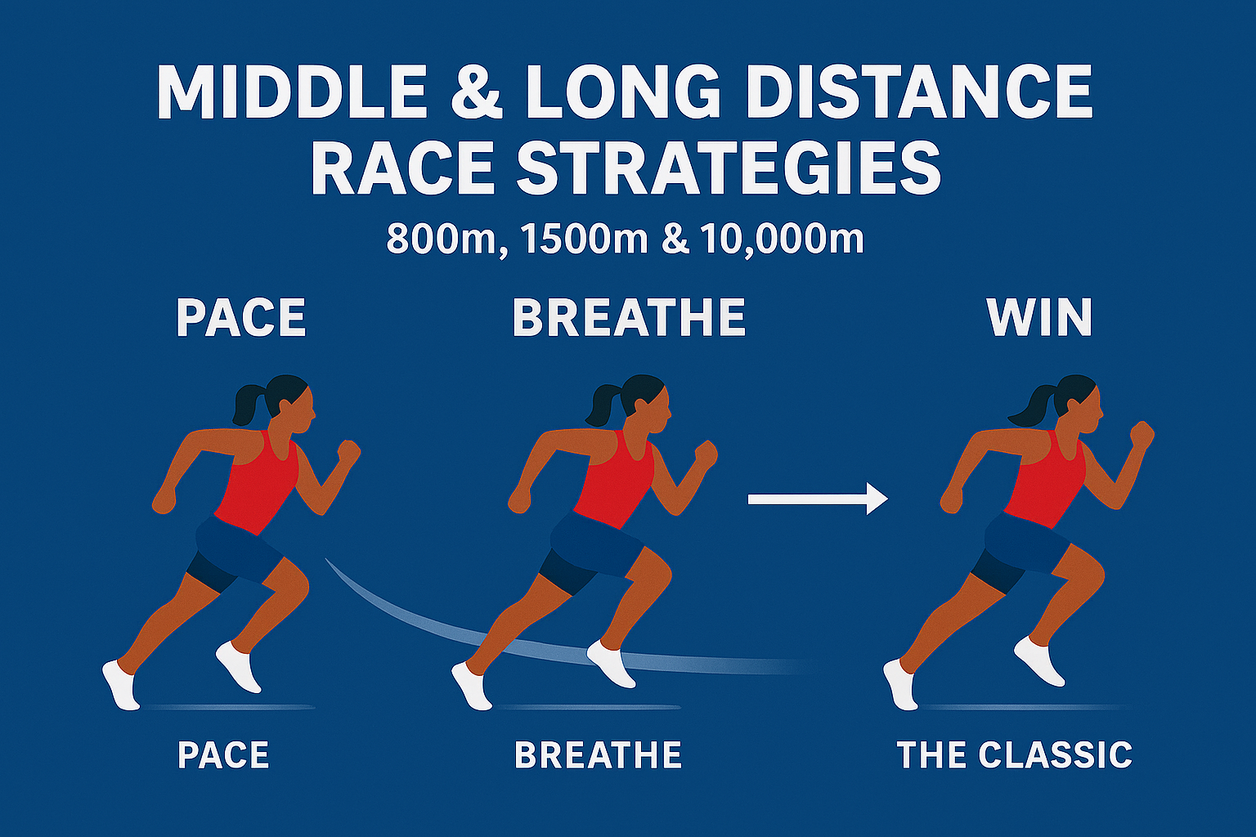
Long-distance running is not just a test of physical strength but also an extraordinary showcase of mental resilience and physiological endurance. Whether it’s a marathon or a 10K race, achieving success in long-distance running requires a deep understanding of how the body and mind work together to maintain performance over extended periods. In this post, we explore the science behind endurance in long-distance running, focusing on the physiological processes, mental strategies, and training techniques that help athletes conquer the miles.
1. Physiological Aspects of Endurance
1.1. Cardiovascular Efficiency
- Oxygen Delivery: The heart’s ability to pump oxygen-rich blood to working muscles is critical for endurance.
- VO₂ Max: This is the maximum amount of oxygen an athlete can utilize during intense exercise. Higher VO₂ max levels are directly linked to better endurance performance.
- Heart Rate Adaptation: With training, the heart becomes more efficient, allowing athletes to sustain faster paces at lower heart rates.
1.2. Energy Systems
- Aerobic Energy System: This is the primary energy system for long-distance running. It relies on oxygen to convert carbohydrates and fats into energy (ATP).
- Fat Utilization: Endurance training teaches the body to use fat as a primary energy source, preserving glycogen stores for later stages of the run.
- Lactate Threshold: Athletes can improve their ability to delay lactate buildup, which causes fatigue, through specific training programs.
1.3. Muscular Endurance
- Long-distance running places repetitive stress on muscles, requiring them to sustain contractions for extended periods.
- Mitochondrial density increases with training, improving the muscles’ capacity to produce energy.
- Strength training can enhance muscular resilience and reduce the risk of injuries.
2. Psychological Aspects of Endurance
2.1. Mental Toughness
- Long-distance running is as much a mental challenge as a physical one. Developing the ability to push through discomfort and fatigue is key.
- Visualization techniques and positive self-talk are commonly used by elite runners to stay focused and motivated.
2.2. Goal Setting and Motivation
- Setting achievable goals, whether it’s a new personal best or simply finishing a race, can provide a powerful psychological boost.
- Intrinsic motivation, such as the joy of running or personal growth, often leads to more consistent performance.
2.3. Managing Pain and Fatigue
- Learning to differentiate between harmful pain (indicative of injury) and manageable discomfort is crucial.
- Techniques like rhythmic breathing and mindfulness can help runners stay present and cope with the physical strain.
3. Training Techniques to Enhance Endurance

3.1. Base Training
- Building a strong aerobic base through consistent mileage is the foundation of endurance running.
- Long, slow runs improve cardiovascular efficiency and muscular endurance.
3.2. Tempo Runs
- Tempo runs involve running at a challenging but sustainable pace, often just below the lactate threshold.
- These runs improve the body’s ability to clear lactate, allowing athletes to sustain faster paces for longer periods.
3.3. Interval Training
- Alternating periods of high-intensity effort with rest or low-intensity recovery improves both aerobic and anaerobic systems.
- Examples include 800-meter repeats or hill sprints.
3.4. Strength and Flexibility Training
- Incorporating strength exercises (e.g., squats, lunges) reduces the risk of injury and improves running economy.
- Flexibility and mobility work, such as yoga, can enhance stride efficiency and prevent stiffness.
3.5. Nutrition and Hydration
- Runners need a diet rich in carbohydrates, healthy fats, and protein to fuel long runs and recovery.
- Proper hydration is essential for maintaining electrolyte balance and preventing cramps.
4. The Role of Recovery in Endurance
4.1. Rest and Sleep
- Rest days and adequate sleep allow the body to repair muscle damage and replenish energy stores.
- Overtraining can lead to burnout and injuries, so balancing effort with recovery is key.
4.2. Active Recovery
- Activities like light cycling or swimming promote blood flow without adding additional stress on the body.
- Foam rolling and stretching can reduce soreness and improve flexibility.
5. Tools and Technology in Endurance Running

5.1. Wearable Technology
- Devices like GPS watches and heart rate monitors help runners track performance and adjust training intensity.
- Apps can provide customized training plans and motivation.
5.2. Advances in Footwear
- Modern running shoes with carbon fiber plates and advanced cushioning improve energy return and reduce fatigue.
5.3. Data-Driven Insights
- Athletes can use data analytics to monitor progress, identify weaknesses, and optimize training schedules.
6. Common Challenges in Long-Distance Running
6.1. Injuries
- Overuse injuries like shin splints, runner’s knee, and plantar fasciitis are common.
- Preventive measures include proper warm-ups, strength training, and wearing the right shoes.
6.2. Hitting the Wall
- “The wall” occurs when glycogen stores are depleted, leading to sudden fatigue.
- Strategies like carb-loading and fueling during runs can help prevent this.
6.3. Environmental Factors
- Weather conditions such as heat, humidity, or cold can impact performance.
- Acclimatization and proper gear can mitigate these challenges.
Conclusion
Endurance in long-distance running is a fascinating interplay of physiology and psychology. By understanding how the body and mind adapt to the demands of prolonged effort, runners can tailor their training, nutrition, and recovery to achieve peak performance. Whether you’re a seasoned marathoner or a beginner, incorporating science-backed strategies into your routine can help you go the distance and conquer new challenges.
Start Your Journey Today: Embrace the science of endurance, and transform your running experience into a rewarding pursuit of personal excellence.





Post Comment