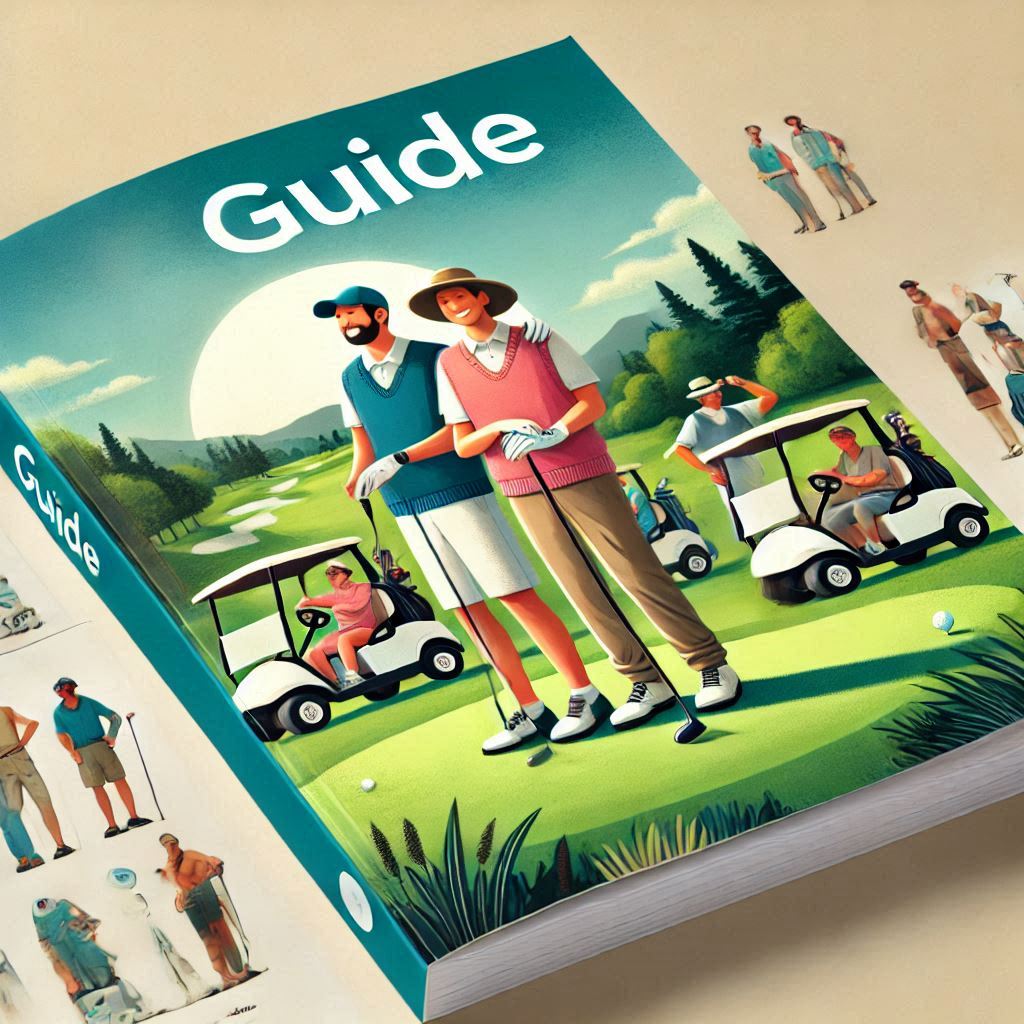
The Ultimate Guide to Golf: Everything You Need to Know
The Ultimate Guide to Golf: Everything You Need to Know
1. Introduction
Golf is a sport with a rich history that has captivated millions worldwide. Originating in 15th century Scotland, it has grown from a pastime for the elite to a globally enjoyed game. Today, it’s one of the most popular recreational sports, with millions of enthusiasts from all walks of life. Golf is not only an enjoyable way to spend time outdoors but also offers numerous physical, mental, and social benefits, such as improved focus, physical fitness, and camaraderie.
Whether you’re looking to pick up the game casually or aim to compete, golf offers something for everyone.

2. How to Play
- Basic Rules and Objectives:
In golf, the main objective is to hit a small ball into a series of holes on a course using as few strokes as possible. Each hole begins with a tee shot, followed by subsequent strokes as players make their way toward the hole. The game is typically played on an 18-hole course, and players score by counting the number of strokes it takes to get the ball in the hole. - Scoring System and Player Roles:
Golf uses a system called par to measure the number of strokes an expert golfer is expected to take to complete a hole. A player’s score is compared to par—shooting fewer strokes than par is called a birdie, while shooting more strokes is a bogey. In most cases, players take turns, though you can play solo or in teams (for example, in formats like “scramble” or “four-ball”).
3. Equipment Needed

- List of Essential Items:
- Clubs: Golfers typically use a set of 14 clubs, including drivers, irons, wedges, and putters, to play the game. Each club serves a specific purpose, depending on distance and shot type.
- Golf Balls: The ball is the essential item in any golf game. While many golf balls are similar, beginners may want a ball designed for distance and control.
- Tees: These are used to elevate the ball for the first stroke on each hole.
- Golf Bag: A bag to store and carry your clubs, balls, tees, and other accessories.
- Gloves and Shoes: Golf gloves provide a better grip, while golf shoes ensure stability and traction on the course.
- How to Choose Quality Equipment for Beginners:
When starting, focus on getting a basic set of clubs with a few essential pieces. Look for beginner-friendly clubs that are forgiving, meaning they’re designed to reduce mishits. As you progress, you can gradually upgrade your equipment, but it’s always good to ensure comfort and quality. Golf stores often offer “starter sets” that include the necessary equipment at a reasonable price.
4. Risks and Common Injuries
- Potential Risks Associated with Playing:
While golf is a low-impact sport, there are still some risks. Repetitive motions, such as swinging a club, can strain muscles, tendons, and joints, particularly in the back, shoulders, and wrists. - Common Injuries and How to Prevent Them:
Common injuries in golf include golfer’s elbow (tendonitis), back pain, and wrist sprains. To prevent these, proper warm-up techniques, flexibility exercises, and correct posture are essential. A golf instructor can help ensure you’re using the proper technique to avoid injury.
5. Safety Tips
- Precautionary Measures for Players:
To stay safe while playing, always follow the course rules, such as wearing proper footwear, maintaining safe distances from other players, and avoiding playing during inclement weather like lightning storms. - Importance of Warm-up Exercises and Protective Gear:
Before hitting the course, it’s important to warm up your muscles with light stretching and mobility exercises, focusing on your back, shoulders, and wrists. Wearing proper shoes with spikes will help prevent slipping, and a glove will help with grip.
6. Learning Tips for Beginners
- How to Start Practicing:
Start with the fundamentals—learn how to grip the club correctly and practice your stance and posture. You can practice on a driving range or putt around on a putting green. Take lessons if possible to build a solid foundation of skills. Gradually work on distance control and swing mechanics. - Resources for Learning:
There are plenty of resources available for learning golf, from online tutorials to YouTube videos and local golf instructors. Many golf courses also offer beginner clinics. If you’re serious about getting better, consider joining a club where you can interact with more experienced players and participate in tournaments.
7. Conclusion
Golf is a sport that can be enjoyed at any skill level, from beginners to seasoned professionals. Not only does it offer physical and mental benefits, but it’s also a fantastic way to socialize and enjoy the outdoors. So, grab your clubs, head to the nearest golf course, and start enjoying the many benefits of playing this timeless sport!
This guide should serve as a great introduction for newcomers to golf and help them get started on the right foot. If you need any changes or more details, let me know!





Post Comment