
Hockey: A Complete Guide to Playing, Equipment, Risks, and Safety
Hockey: A Complete Guide to Playing, Equipment, Risks, and Safety
Introduction
Hockey is an exhilarating sport that has captivated audiences worldwide for generations. Known for its speed, skill, and strategic depth, hockey is played on various surfaces, from ice rinks to grass fields. Whether you’re a beginner or a seasoned fan, this guide offers everything you need to know about the game, from its history to essential safety tips.
Brief History and Overview
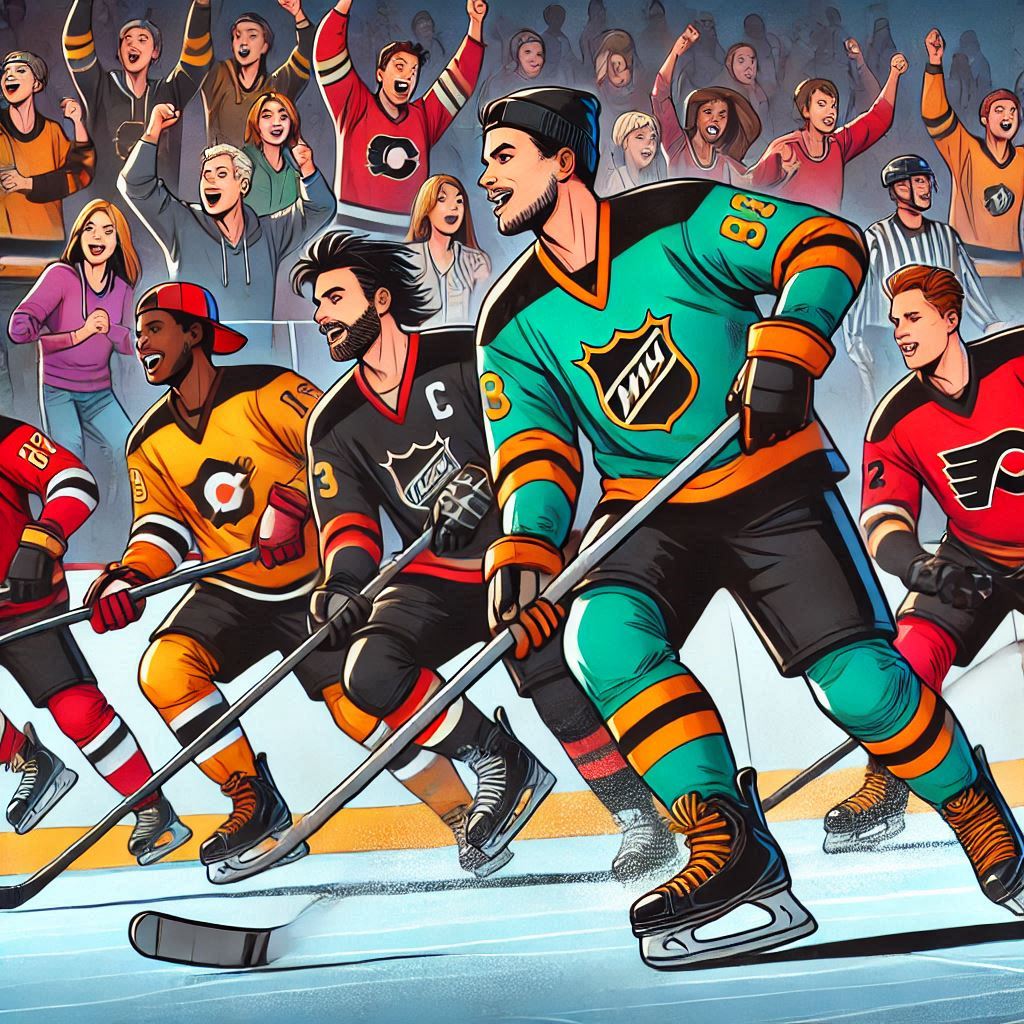
- Origins: Hockey traces its roots back to ancient civilizations, with modern field hockey formalized in England in the 19th century and ice hockey in Canada around the same time.
- Global Popularity: Field hockey is particularly popular in Europe and Asia, while ice hockey reigns in North America and Scandinavia.
- Benefits: Hockey improves cardiovascular health, builds strength and endurance, and develops teamwork and coordination.
How to Play
1. Basic Rules and Objectives
- Two teams compete to score goals by hitting a puck (ice hockey) or ball (field hockey) into the opponent’s net.
- Matches are divided into periods or quarters, with the team scoring the most goals declared the winner.
- Players must avoid fouls like high sticks, dangerous hits, or obstruction.
2. Player Roles
- Forwards: Focus on attacking and scoring.
- Defenders: Protect the goal and stop opposing attackers.
- Goalkeeper: The last line of defense, tasked with blocking shots.
- Midfielders (field hockey): Bridge the gap between defense and attack, often covering the most ground.
Equipment Needed
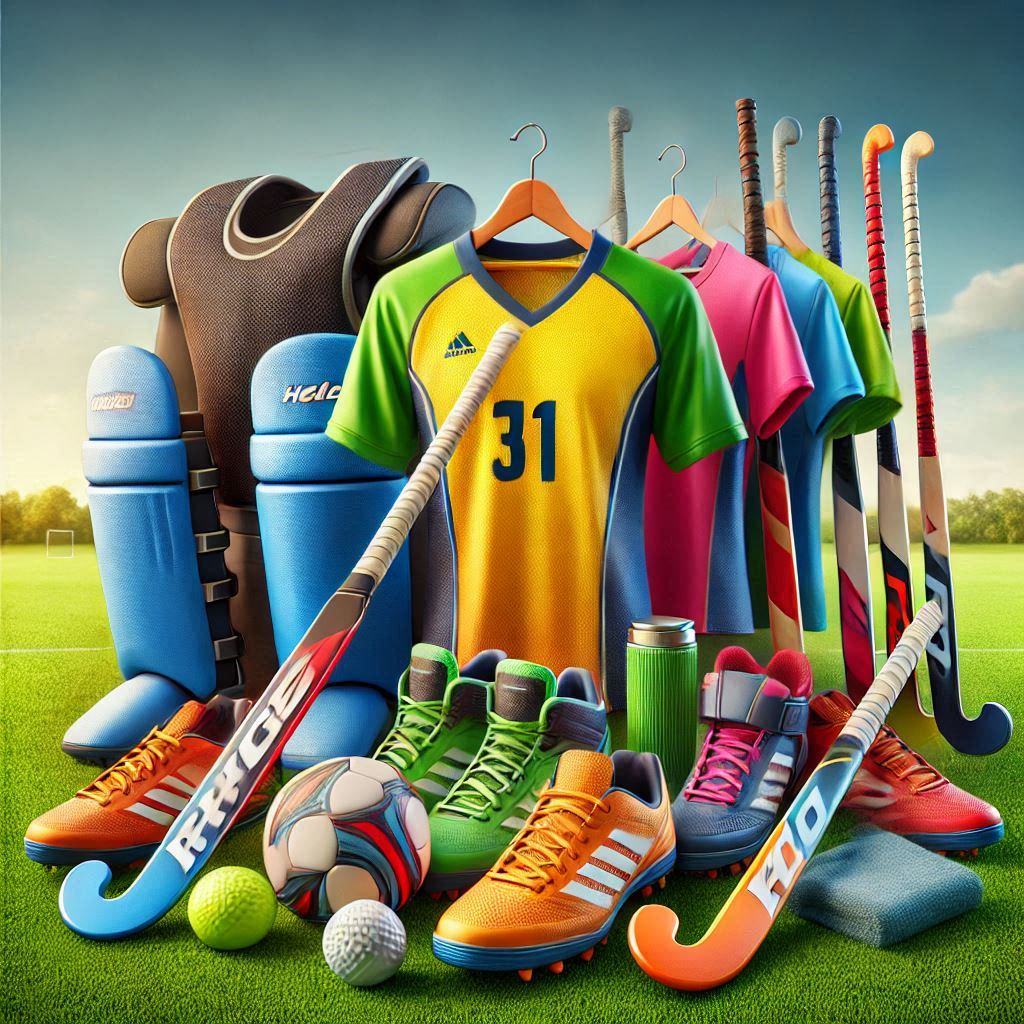
1. Essential Items
- Stick: Field hockey uses curved wooden or composite sticks, while ice hockey uses straight sticks with a blade.
- Puck/Ball: A hard rubber puck for ice hockey or a plastic ball for field hockey.
- Goalkeeper Gear: Helmet, leg pads, gloves, and chest protectors.
- Protective Gear: Shin guards, mouthguards, and padded gloves.
- Shoes/Skates: Cleats for field hockey, skates for ice hockey.
2. Choosing Equipment for Beginners
- Select a stick that matches your height and skill level.
- Invest in durable, comfortable protective gear.
- Use beginner-friendly pucks or balls to practice control.
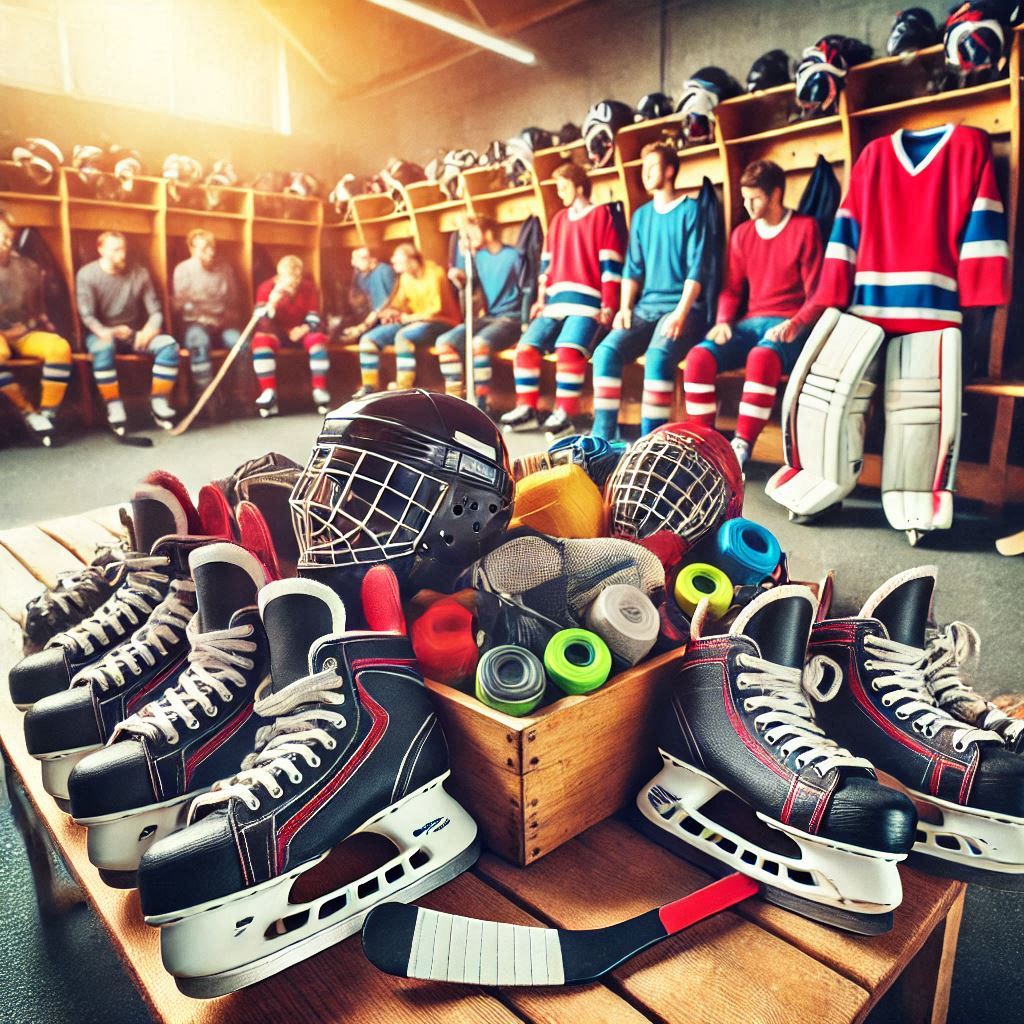
Risks and Common Injuries
1. Potential Risks
- Collisions with players or equipment.
- Injuries from falling or being hit by the puck/ball.
2. Common Injuries
- Concussions: Resulting from head impacts.
- Fractures: Common in the wrist, hand, or collarbone.
- Knee Injuries: Due to sudden stops and turns.
Prevention Tips:
- Wear protective gear, including a helmet.
- Practice proper techniques to reduce strain.
Safety Tips

- Warm-Up and Stretch: Reduce injury risks with dynamic stretches.
- Protective Equipment: Always wear approved gear, especially a helmet and mouthguard.
- Follow Rules: Adhere to game regulations to ensure safe play.
- Hydrate and Rest: Maintain energy levels and allow recovery after games.
Learning Tips for Beginners
- Focus on Fundamentals:
- Practice dribbling, passing, and shooting.
- Learn proper skating or running techniques.
- Join a Local Club: Play with others to develop skills and strategy.
- Study Professional Games: Observe tactics and positioning.
- Use Online Resources: Tutorials can guide you step-by-step.
Conclusion
Hockey is a thrilling game that combines athleticism with strategy, making it a favorite for players and fans alike. By understanding the basics, investing in quality equipment, and prioritizing safety, you can enjoy all the excitement this sport has to offer. Get out there and experience the rush of the game!





Post Comment