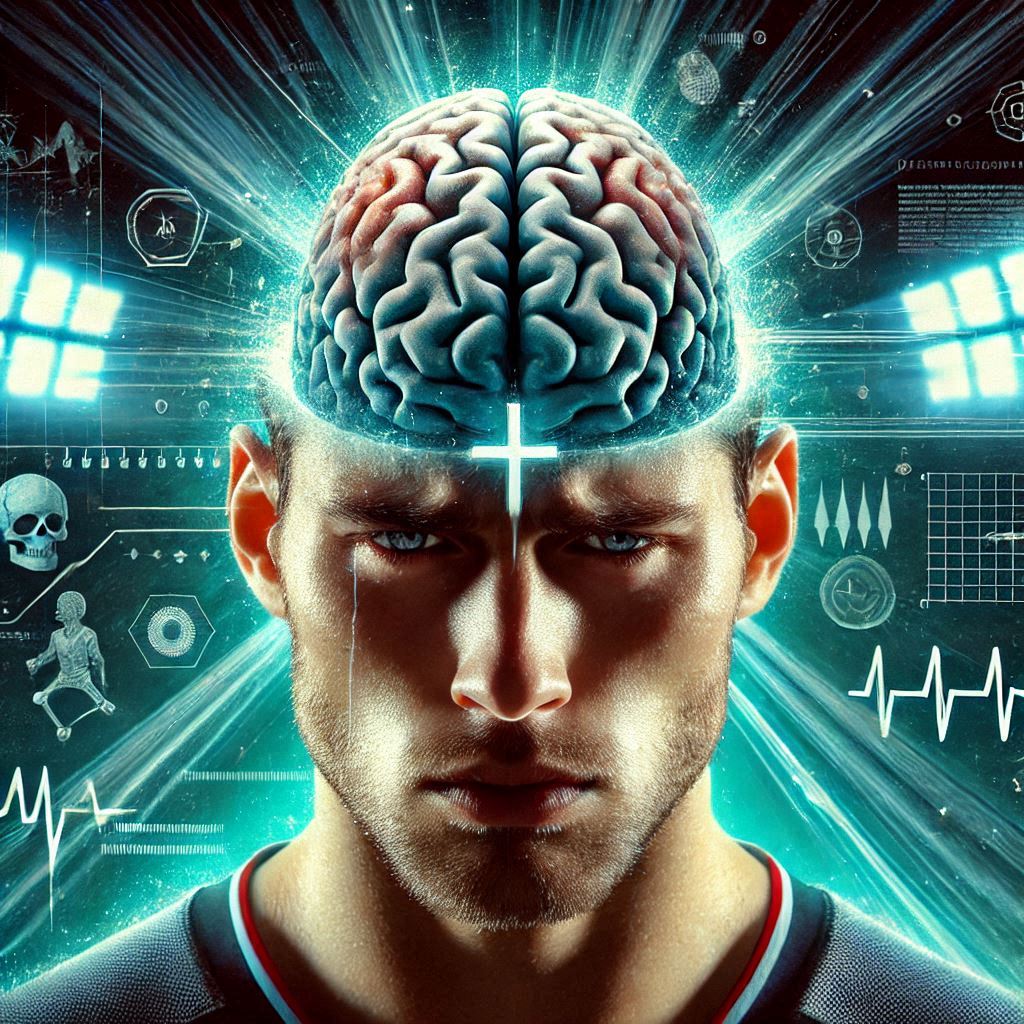
Tackling Concussions in Sports: Protecting Athletes from Head Injuries
Introduction
Concussions are among the most common and serious injuries in sports, impacting players at all levels, from youth leagues to professional athletes. These traumatic brain injuries can result in long-term health challenges if not properly addressed. This post dives deep into understanding concussions, their symptoms, and prevention strategies, and provides essential tips for athletes, coaches, and guardians to ensure a safer sporting environment.
1. What is a Concussion?
A concussion is a mild traumatic brain injury (mTBI) caused by a blow or jolt to the head, resulting in the brain moving rapidly within the skull. This movement can disrupt normal brain function and lead to various symptoms.
- Common Causes in Sports:
- Collisions in contact sports (e.g., football, hockey, rugby).
- Falls or accidental blows during games.
- Heading the ball repeatedly in soccer.
- Impact from equipment like bats, balls, or pucks.
Concussions can happen in any sport, but they are particularly prevalent in high-contact activities. Recognizing how they occur helps us understand their risks and implement strategies for prevention.
2. Symptoms of a Concussion
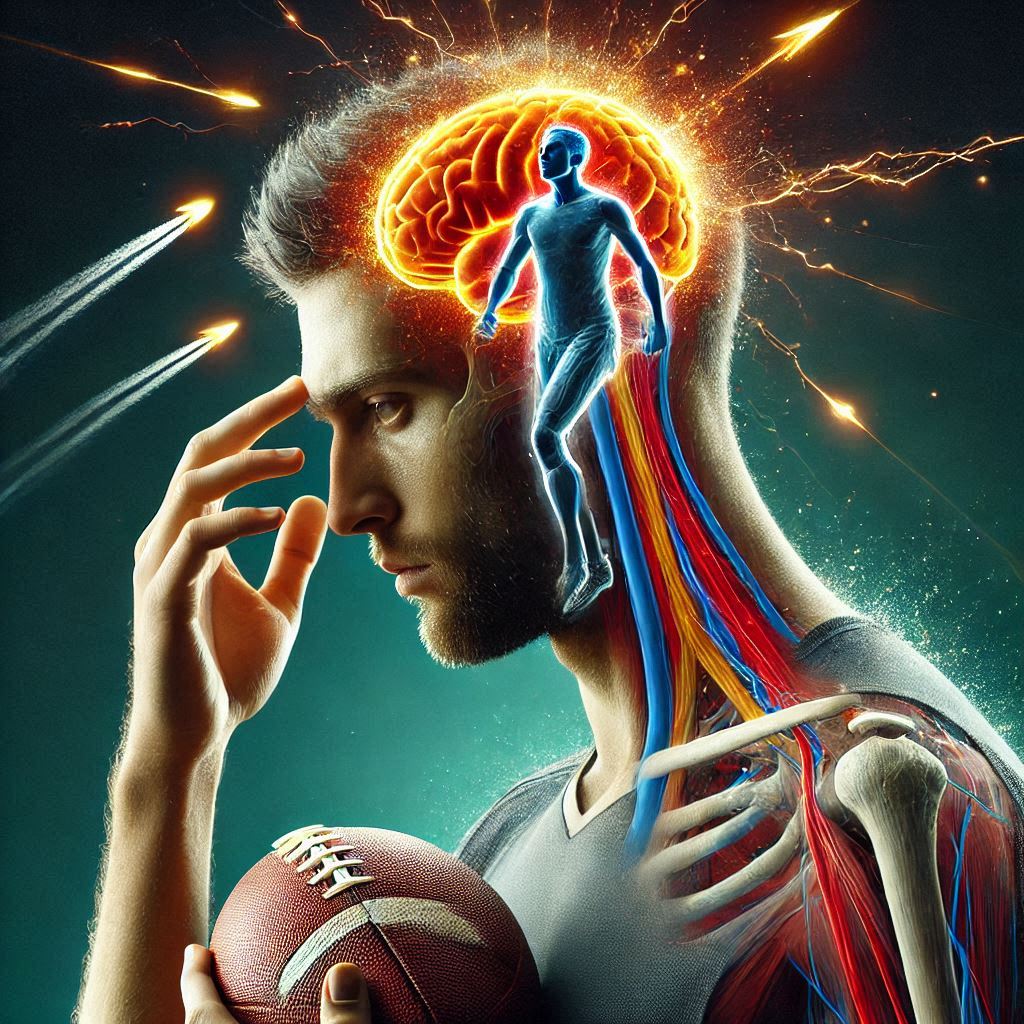
Recognizing a concussion is vital for prompt treatment. Symptoms can vary in severity and may appear immediately or hours after the incident. Understanding these symptoms can make a critical difference in ensuring timely intervention.
- Physical Symptoms: Headache, dizziness, nausea, blurred vision, balance issues, and light sensitivity.
- Cognitive Symptoms: Confusion, difficulty concentrating, memory loss, and feeling “foggy.”
- Emotional Symptoms: Irritability, mood swings, depression, or anxiety.
- Sleep-Related Issues: Insomnia, difficulty falling asleep, or excessive drowsiness.
Athletes should never “shake it off” or continue playing after experiencing any of these symptoms. Early recognition and action can prevent more serious complications.
3. The Risks of Ignoring Concussions
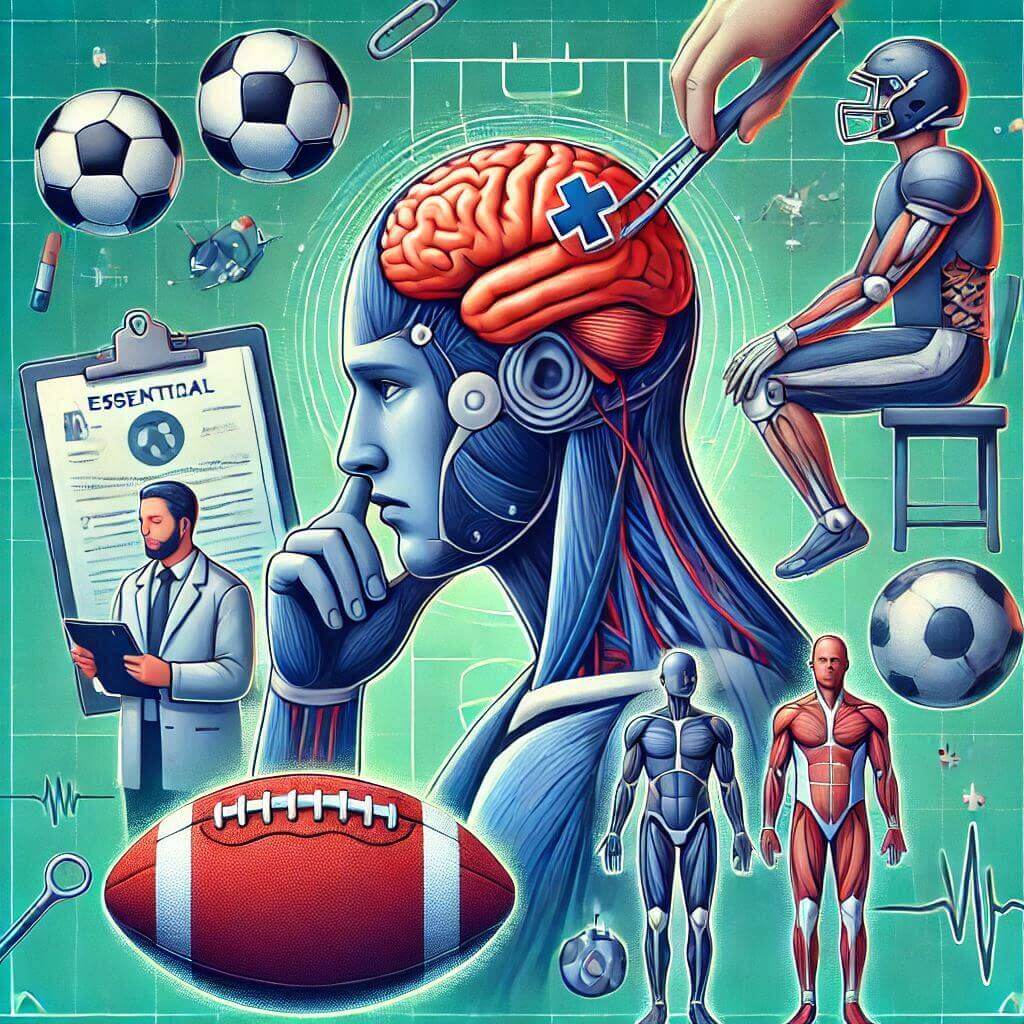
Failing to address a concussion can have severe and long-term consequences:
- Second Impact Syndrome (SIS): Experiencing a second concussion before the first one heals can lead to catastrophic brain swelling and, in some cases, fatality.
- Chronic Traumatic Encephalopathy (CTE): Repeated head injuries, even minor ones, are linked to this degenerative brain condition, which can cause memory loss, confusion, and severe behavioral changes later in life.
- Prolonged Recovery: Delayed treatment can result in lingering symptoms that affect an athlete’s physical performance, mental health, and overall quality of life.
Understanding these risks underscores the importance of immediate action and adherence to safety protocols when concussions occur.
4. Prevention Tips for Athletes and Coaches
Preventing concussions should be a top priority for athletes and coaches. Here are some effective strategies:
- Use Proper Equipment:
- Ensure athletes wear helmets and protective gear that meet safety standards.
- Regularly inspect and maintain equipment to ensure it offers adequate protection.
- Teach Safe Techniques:
- Emphasize proper tackling, landing, and movement techniques to minimize head impacts.
- Limit high-risk actions, such as excessive heading in soccer or unsafe tackling in football.
- Promote a Safety-First Culture:
- Foster an environment where athletes feel comfortable reporting symptoms without fear of judgment or losing playing time.
- Educate players, staff, and parents on concussion risks and best practices.
5. Identifying and Managing Concussions
Proper identification and management of concussions are crucial to minimize their impact:
- Immediate Steps:
- Remove the athlete from play immediately if a concussion is suspected.
- Conduct an initial assessment using tools like SCAT5 (Sport Concussion Assessment Tool).
- Medical Evaluation:
- Seek professional medical advice promptly to confirm the diagnosis and severity.
- Follow the healthcare provider’s guidance, including rest and gradual return-to-play protocols.
- Rest and Recovery:
- Emphasize both physical and cognitive rest—avoid activities that strain the brain, such as screen time or studying.
- Gradually reintroduce activities, starting with light physical exercise under medical supervision.
6. Raising Awareness and Support
Awareness and community support are critical in reducing concussion risks and fostering a culture of safety:
- Education Programs:
- Organize workshops and seminars on concussion prevention and management for athletes, coaches, and parents.
- Use accessible resources like videos and brochures to spread knowledge.
- Advocacy:
- Support initiatives and policies promoting stricter rules for head injury prevention in sports.
- Encourage leagues and organizations to adopt evidence-based concussion protocols.
- Encourage Research:
- Advocate for continued research into advanced diagnostic tools, protective gear, and rehabilitation techniques.
7. Winning Strategies for Safer Play
Athletes can adopt specific strategies to reduce the likelihood of head injuries:
- Focus on Strength and Conditioning:
- Build neck and core strength to better absorb impacts.
- Incorporate exercises that improve balance and coordination.
- Follow the Rules:
- Adhere to game regulations designed to protect players, such as bans on dangerous tackles or hits.
- Foster Open Communication:
- Encourage athletes to speak up about any symptoms or concerns, ensuring prompt attention.
Conclusion
Concussions in sports are a serious issue that requires proactive measures to ensure athlete safety and well-being. By understanding the risks, recognizing the symptoms, and implementing effective prevention and management strategies, we can reduce the impact of concussions and create a safer environment for all players.
Take Action Today: Educate yourself, your team, and your community about concussion safety. Together, we can protect athletes and ensure a healthier, more sustainable future for sports.





Post Comment