
How to Go for a Hike with No Budget: A Guide to Enjoying Nature for Free
How to Go for a Hike with No Budget: A Guide to Enjoying Nature for Free
Hiking is a wonderful way to connect with nature, get some exercise, and take a break from the hustle and bustle of daily life. But what if you don’t have a budget to spend on expensive hiking gear or park fees? The good news is that you can still have an amazing hiking experience with little to no cost. Here’s a guide on how to go for a hike with no budget!
1. Choose a Free Trail
Not all hiking trails require an entrance fee. Many public parks, nature reserves, and forests have free access to hiking trails. Start by researching local trails that don’t charge for entry. Websites like AllTrails or Google Maps can help you find trails near you, but make sure to double-check if the trail has any fees associated with it before you go. Local government websites or social media groups can also give you ideas on free trails available in your area.
2. Wear What You Have
You don’t need expensive hiking boots or gear to go hiking. If you don’t have specific hiking shoes, a pair of sturdy sneakers or athletic shoes with good tread will work just fine. Wear comfortable clothes that suit the weather. A T-shirt, sweatpants, leggings, or shorts are all suitable options, and don’t forget to layer up in colder weather. The most important thing is that you’re comfortable and able to move easily.
3. Use What You Already Own
Instead of buying expensive hiking gear, use items you already have at home. Here’s a list of common items that can double as hiking essentials:
Backpack: A simple backpack or even a reusable shopping bag can hold your water, snacks, and extra layers.
Water Bottle: Carry a refillable water bottle to stay hydrated.
Snacks: Bring simple snacks like fruit, nuts, or granola bars from home to fuel your hike.
First Aid Kit: If you don’t have a hiking-specific kit, just put together a small one with basics like band-aids, pain relievers, and any personal medications.
Sunscreen and Bug Spray: If you already have sunscreen and bug spray at home, bring them along to protect your skin.
4. Plan for a Day Hike
A day hike is ideal for hiking on a budget, as it doesn’t require overnight camping gear. A simple backpack with water, food, and a first aid kit is enough. If you’re planning a longer hike, make sure to bring extra supplies, but keep it light and manageable to avoid unnecessary spending on camping equipment.
5. Carpool or Use Public Transportation
Traveling to a hiking trail can be one of the most expensive parts of the hike, especially if you’re driving alone. To save on fuel or transportation costs, consider carpooling with friends, family, or fellow hikers. You can also look into public transportation options if the trail is accessible by bus or train. If you’re part of a community or online hiking groups, you may be able to connect with others who want to share transportation costs.
6. Use Natural Materials
If you’re hiking in a forest or park, you can use natural materials as alternatives to pricey gear. For example, a sturdy walking stick can often be found along the trail. Just make sure it’s safe and not too flimsy to support your weight.
7. Go with a Group
Hiking with others can not only be more fun but also help you save money. For example, you can share snacks or group transportation costs. Many areas also have free group hikes or community events where you can join others and explore a trail with no fee. Look for local clubs, groups, or online communities that organize free hikes.
8. Embrace Minimalism
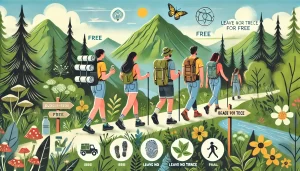
When hiking on a tight budget, less is more. Embrace a minimalist mindset and only bring the essentials. No need for a full-fledged hiking outfit or gadgets. Keeping your load light and simple can make your experience more enjoyable, and it saves you money on extra gear. Focus on the experience of hiking itself rather than the gear.
9. Take Advantage of Nature’s Free Amenities
One of the best parts of hiking is that nature offers its beauty for free. Whether you’re walking through a dense forest, up a mountain, or along a beach, there’s no need to spend money to appreciate the surroundings. Pack your own lunch, enjoy the fresh air, and take in the views without the need for expensive attractions or activities.
10. Practice Leave No Trace
It’s essential to take care of the environment while hiking. Practice the Leave No Trace principles, which ensure that the land remains undisturbed for others to enjoy. Pack out all your trash, avoid disturbing wildlife, and stay on marked trails to minimize your impact. This philosophy doesn’t just help the environment, but it also ensures that everyone can continue to enjoy nature for free.
Final Thoughts
Hiking on a budget is entirely possible! By choosing free trails, using what you already own, planning a day hike, and embracing a minimalist approach, you can experience the joy of hiking without spending a dime. Nature has so much to offer, and you don’t need to break the bank to enjoy it. Whether you’re exploring local forests, mountains, or parks, get out there and start hiking today—your adventure awaits






Post Comment