
The Thrills of Skateboarding: From Street Style to Olympic Sport
The Thrills of Skateboarding: From Street Style to Olympic Sport
Introduction
Skateboarding is more than just a sport; it’s a lifestyle, an art form, and a mode of expression. Emerging from humble beginnings in the streets of California, skateboarding has evolved into a global phenomenon, culminating in its inclusion in the Olympic Games. This guide explores the roots of skateboarding, its cultural significance, its journey to Olympic recognition, and tips for beginners looking to master the art.
1. The History and Culture of Skateboarding
Skateboarding was born in the 1950s when surfers in California sought a way to replicate the thrill of surfing on land. What started as a niche hobby quickly grew into a vibrant subculture that combined athleticism, creativity, and rebellion.
- Street Culture Influence: Skateboarding became a symbol of individuality and nonconformity. Skaters turned urban landscapes into playgrounds, using stairs, rails, and curbs for tricks and stunts.
- Media and Growth: Skateboarding gained mainstream attention in the 1980s and 1990s, thanks to magazines, competitions, and skate videos. Iconic figures like Tony Hawk and Rodney Mullen helped cement its place in popular culture.
2. Skateboarding as an Olympic Sport
The inclusion of skateboarding in the Olympics was a monumental milestone for the sport. It debuted in the 2020 Tokyo Olympics, showcasing its technical and artistic aspects on a global stage.
- Events: Two categories—Street and Park—allowed skaters to compete in different environments:
- Street: Features obstacles like stairs, rails, and ledges.
- Park: Takes place in a bowl-like structure, emphasizing aerial tricks.
- Global Representation: Athletes from diverse backgrounds brought unique styles, proving that skateboarding is a universal language.
3. The Basics of Skateboarding
If you’re new to skateboarding, starting with the right foundation is key. Here’s what you need to know:
Essential Gear
- Skateboard: Choose a board based on your style (street, park, cruising).
- Safety Gear: A helmet, knee pads, elbow pads, and wrist guards are non-negotiable for beginners.
- Shoes: Opt for skate shoes with flat soles for better grip and control.
Getting Started
- Balance and Stance: Practice standing on the board and finding your natural stance (regular or goofy).
- Pushing: Use your back foot to push off the ground while balancing on your front foot.
- Stopping: Learn basic stopping techniques, such as foot braking or dragging the tail.
4. Tricks for Beginners
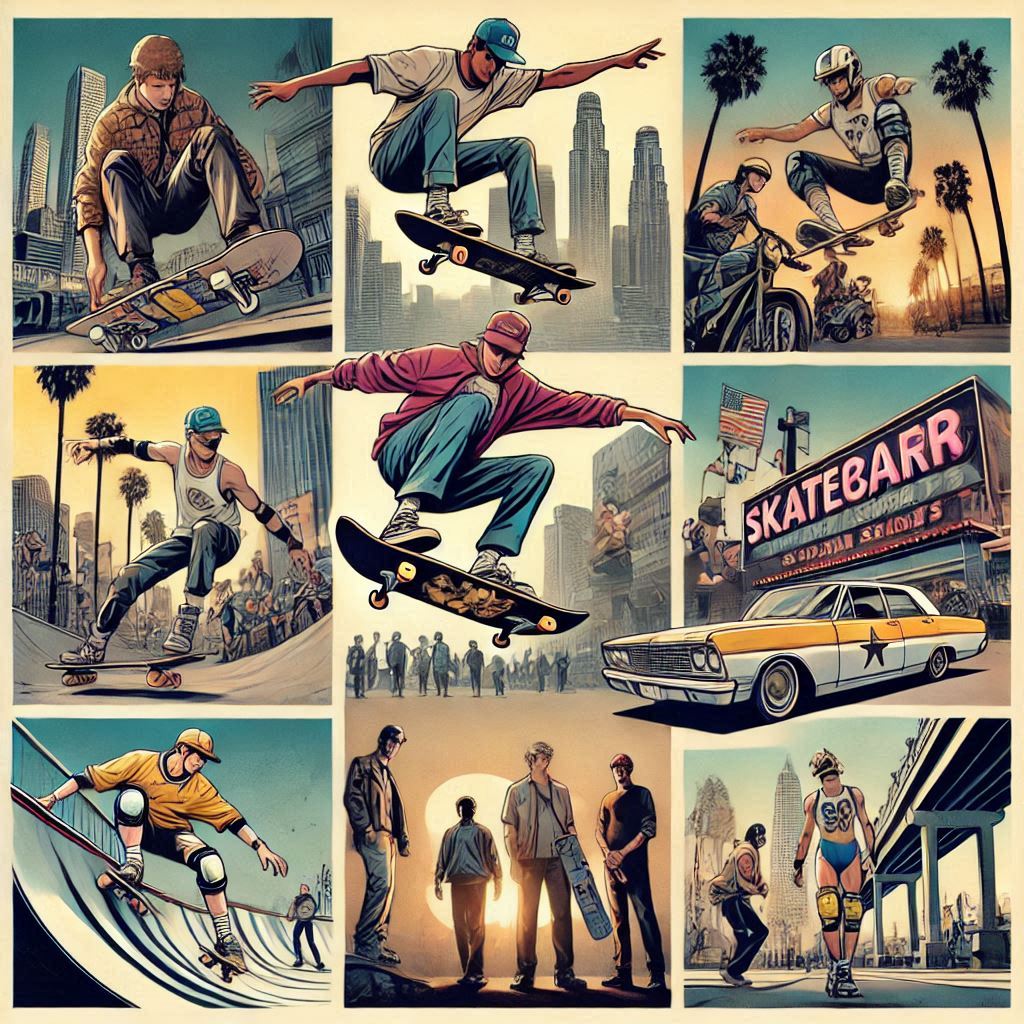
Once you’re comfortable with the basics, try your hand at beginner tricks to build confidence and skill:
- Ollie: The foundation of most tricks, involving popping the tail and sliding your front foot upward.
- Kickturn: A simple way to change direction by pivoting on the back wheels.
- Manual: Balancing on two wheels while riding.
- Shuvit: A trick that involves spinning the board 180 degrees under your feet.
5. The Thrill and Community of Skateboarding
Skateboarding offers more than just adrenaline—it provides a sense of belonging and camaraderie. Skate parks are hubs for skaters to connect, share tips, and push their limits.
- Creative Expression: Every skater develops a unique style, making skateboarding a form of personal expression.
- Challenges and Growth: Learning tricks and overcoming obstacles teaches resilience and determination.
- Inclusivity: Skateboarding welcomes people of all ages, backgrounds, and skill levels.
6. Tips for Beginners
If you’re just starting, keep these tips in mind to make the journey enjoyable:
- Be Patient: Progress takes time; focus on small milestones.
- Practice Regularly: Consistency is key to building confidence and mastering tricks.
- Find a Mentor: Experienced skaters can provide guidance and encouragement.
- Have Fun: Remember that skateboarding is as much about joy and creativity as it is about skill.
7. Skateboarding’s Impact on Fitness and Mental Health
Skateboarding isn’t just about tricks—it’s also a great way to stay fit and boost mental health.
- Physical Benefits:
- Improves balance, coordination, and flexibility.
- Builds lower body strength and endurance.
- Mental Health Benefits:
- Encourages stress relief and mindfulness.
- Fosters a sense of achievement and confidence.
8. The Future of Skateboarding
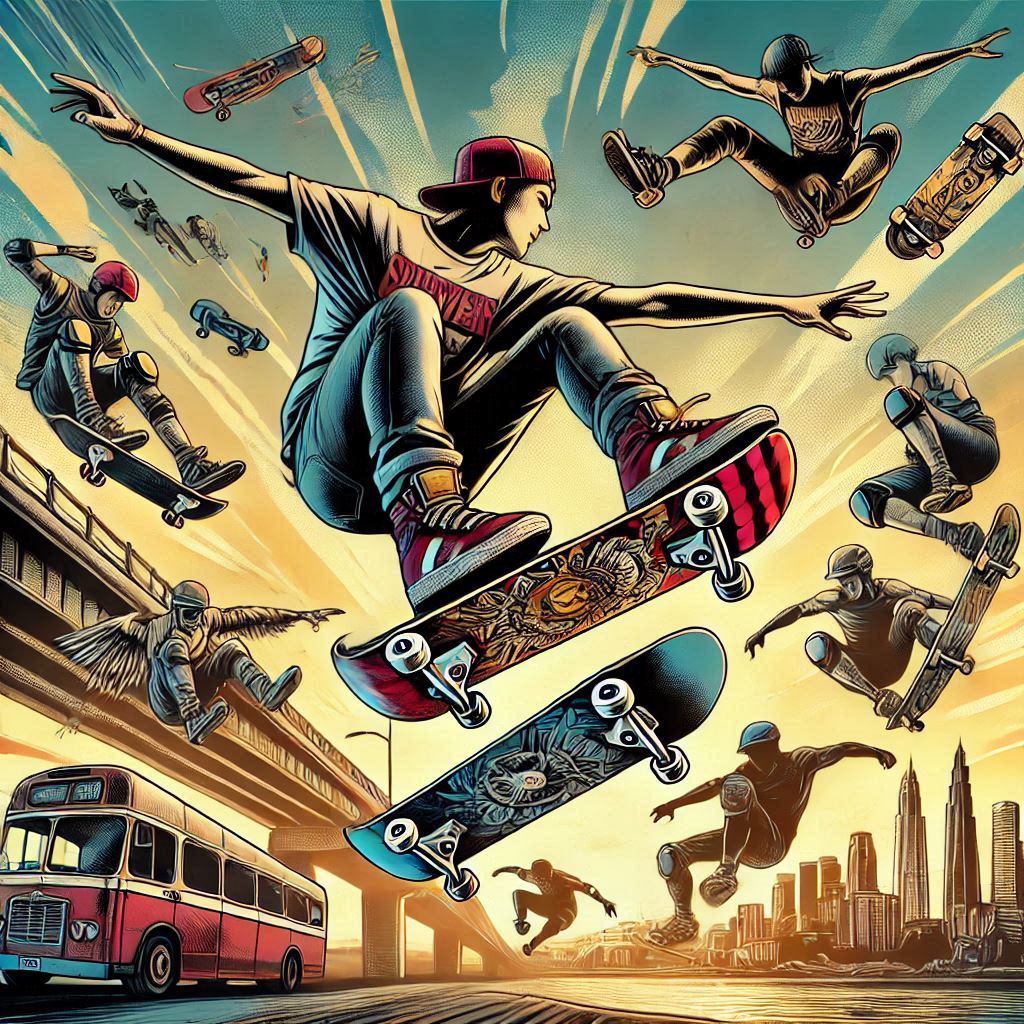
Skateboarding continues to evolve, blending tradition with innovation. Its Olympic status has opened doors for greater recognition and investment in the sport. Meanwhile, initiatives promoting inclusivity and sustainability ensure that skateboarding remains accessible and eco-friendly.
Conclusion
From its rebellious roots in street culture to its place on the Olympic stage, skateboarding is a sport that thrives on passion, creativity, and community. Whether you’re a beginner taking your first steps or a seasoned skater refining your style, skateboarding offers endless opportunities for adventure and self-expression. So grab a board, head to your local park, and discover the thrill of skating for yourself!




Post Comment