
Fuel Your Performance: Top Nutrition Tips for Athletes
Fuel Your Performance: Top Nutrition Tips for Athletes
As an athlete, your body is your greatest asset, and fueling it properly is essential for optimal performance. Whether you’re training for a competition, working on improving your fitness, or just staying active, nutrition plays a pivotal role in how you feel, perform, and recover. In this post, we’ll discuss the importance of nutrition for athletes and share practical tips for fueling your body right before, during, and after workouts.
The Foundation of Athlete Nutrition
Proper nutrition is the cornerstone of any successful training program. Athletes require a balanced diet that includes the right combination of macronutrients (carbs, proteins, and fats) and micronutrients (vitamins and minerals) to support their training and recovery.
Macronutrients:
- Carbohydrates: Carbs are the body’s main source of energy, especially during high-intensity exercises. Athletes should focus on complex carbohydrates like whole grains, fruits, and vegetables for sustained energy release.
- Proteins: Protein is essential for muscle repair and growth. After strenuous exercise, your muscles need the building blocks that protein provides to recover and grow stronger.
- Fats: Healthy fats play a crucial role in maintaining energy levels, supporting cell function, and reducing inflammation. Good sources include avocados, nuts, seeds, and oily fish like salmon.
Micronutrients:
Vitamins and minerals are equally important for overall health, and deficiencies can lead to fatigue, decreased performance, and increased risk of injury. Key nutrients for athletes include Vitamin D, calcium (for strong bones), iron (for oxygen transport), and magnesium (for muscle function).
Pre-Workout Nutrition: Fuel Your Body for Success
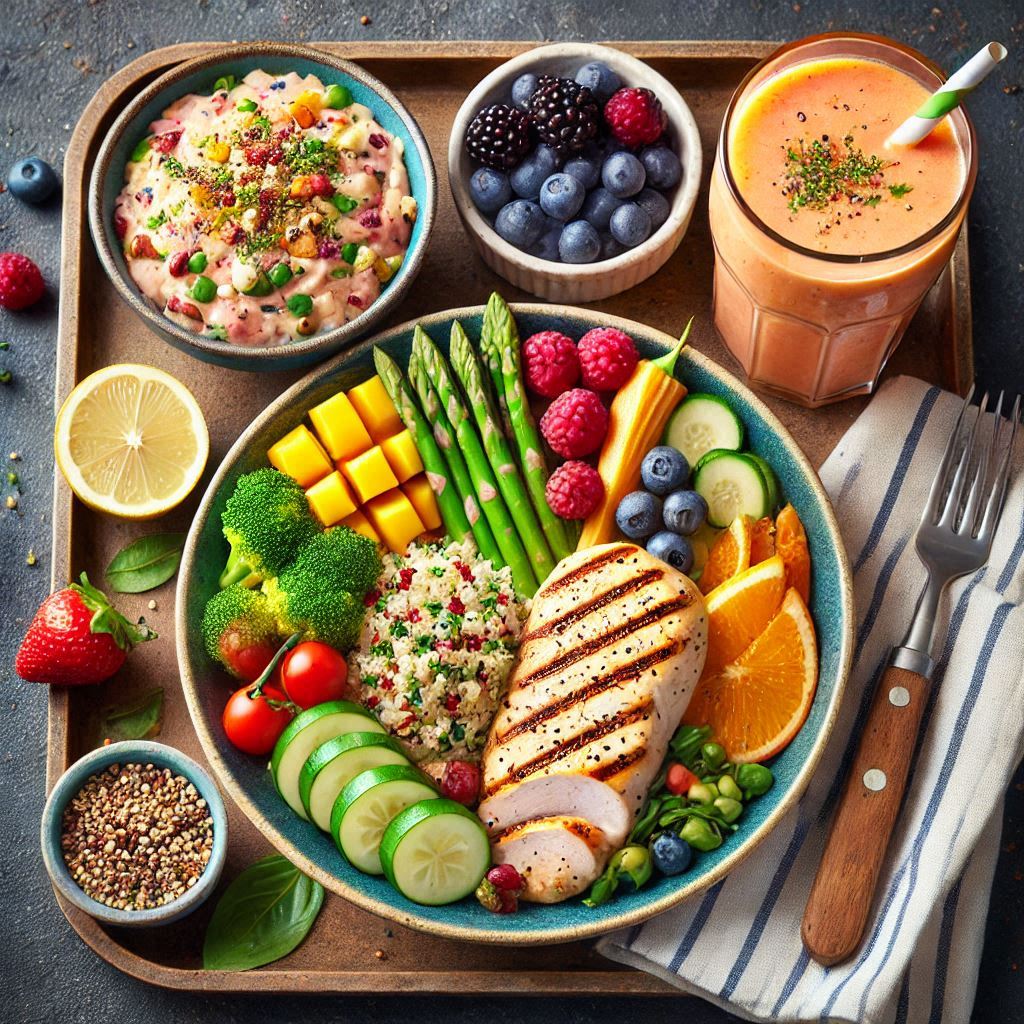
What you eat before a workout can significantly impact your performance. The right pre-workout meal can help maintain energy levels, reduce fatigue, and improve endurance during exercise.
When to Eat:
Ideally, aim to eat your pre-workout meal 1 to 2 hours before exercising. This gives your body enough time to digest and absorb the nutrients.
Recommended Foods:
- Complex Carbs: Foods like whole grains (e.g., oatmeal, brown rice) provide a slow and steady release of energy.
- Lean Protein: A source of lean protein like chicken, turkey, or tofu will fuel your muscles and support endurance.
- Healthy Fats: Add some healthy fats from sources like avocado or olive oil to provide sustained energy.
Hydration:
Don’t forget to hydrate before your workout! Dehydration can severely impact your performance, so aim to drink at least 16 oz (500 ml) of water 30 minutes before your session. Consider drinking an electrolyte drink if you’re planning to engage in intense physical activity.
Post-Workout Recovery Nutrition: Replenish and Rebuild
Recovery starts the moment your workout ends. Post-workout nutrition is crucial for muscle repair, replenishing energy stores, and reducing muscle soreness. The key is to eat a combination of carbohydrates and protein as soon as possible after finishing your workout.
When to Eat:
Try to consume your post-workout meal within 30 to 60 minutes to maximize recovery. This is the “anabolic window,” where your muscles are most receptive to nutrients.
Recommended Foods:
- Protein: A protein shake or a meal with lean protein (e.g., chicken, fish, or legumes) will help repair muscle fibers broken down during exercise.
- Carbohydrates: Including carbs in your post-workout meal helps replenish glycogen stores that were depleted during exercise. Opt for quick-digesting carbs like fruits (e.g., bananas, apples) or whole grains.
- Healthy Fats: Adding healthy fats can help reduce inflammation and support the body’s recovery process.
Hydration:
After an intense workout, it’s essential to rehydrate. Drink water or an electrolyte drink to replenish the fluids lost during exercise. If you’ve done a particularly intense workout, look for a drink that replaces both water and electrolytes.
Supplements for Athletes: Enhancing Your Nutrition

While a well-balanced diet should be your primary focus, certain supplements can support your fitness goals and enhance performance.
Protein Powder:
For athletes who need additional protein, especially post-workout, protein powder is a quick and convenient way to meet daily requirements. Choose a high-quality protein powder that suits your dietary needs, whether it’s whey, plant-based, or another option.
Creatine:
Creatine is well-known for its ability to enhance performance during high-intensity, short-duration activities like sprinting or weightlifting. It helps increase power and muscle mass when used consistently.
BCAAs (Branched-Chain Amino Acids):
BCAAs can help with muscle recovery, reduce soreness, and even prevent muscle breakdown during exercise. These are particularly useful during longer or more intense training sessions.
Multivitamins:
Athletes with specific dietary restrictions may need a multivitamin to ensure they’re getting all the necessary nutrients. A multivitamin can fill any gaps in your diet, ensuring that you get the essential vitamins and minerals your body needs to perform at its best.
Sample Athlete Meal Plan: Fuel Your Day Right
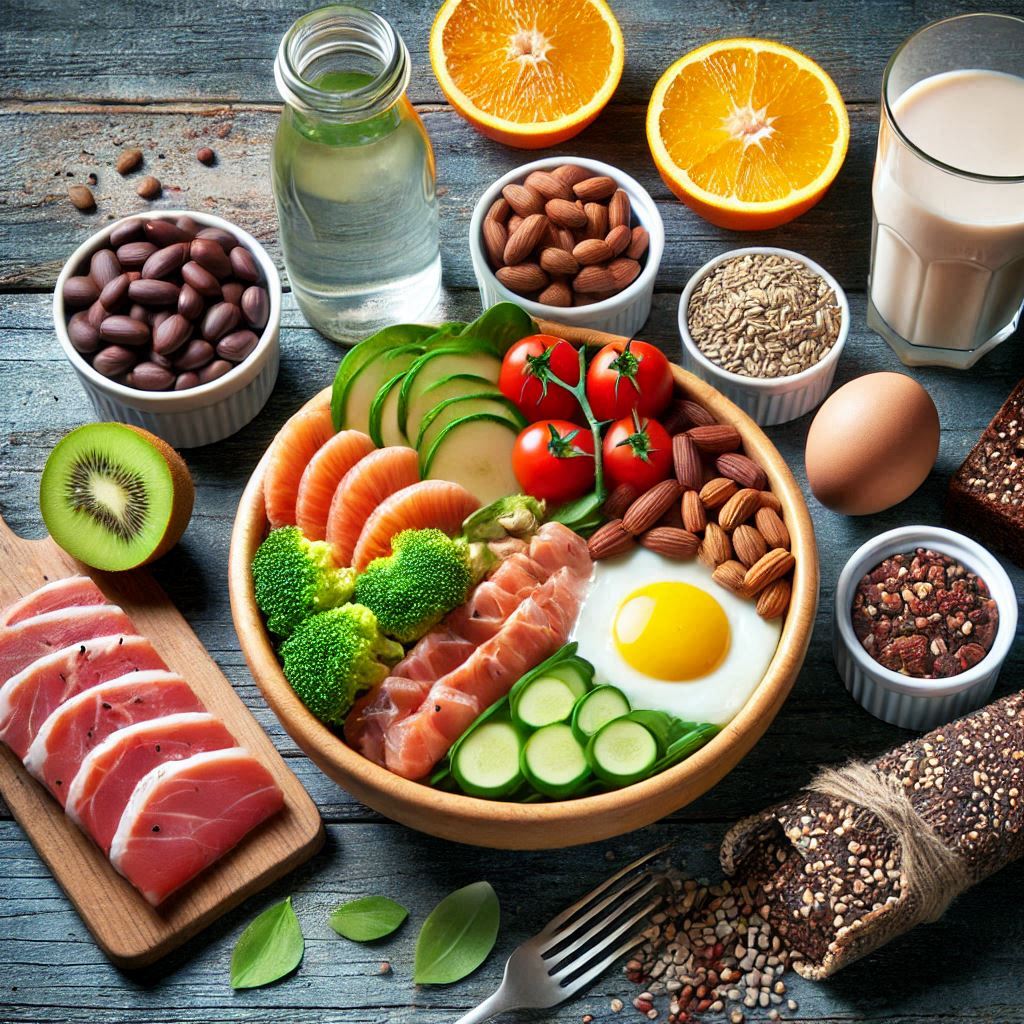
Here’s a sample meal plan that can help fuel your body throughout the day:
- Breakfast: Oatmeal topped with berries, nuts, and a scoop of protein powder, plus a glass of water or a smoothie.
- Lunch: Grilled chicken breast, quinoa, and a side of mixed vegetables (e.g., spinach, bell peppers, and broccoli).
- Dinner: Salmon, brown rice, and steamed broccoli or other leafy greens.
- Snacks: Greek yogurt with honey, apple slices with almond butter, or a handful of mixed nuts.
Conclusion:
To perform at your best, you need to fuel your body properly. Nutrition isn’t just about what you eat, but when and how you eat it. By following these nutrition tips and focusing on a balanced diet with plenty of carbs, protein, healthy fats, and essential vitamins and minerals, you’ll enhance your training, recover faster, and reduce the risk of injury. Remember, every athlete’s needs are different, so it’s important to find a routine that works best for you.
Call to Action:
What’s your go-to pre- or post-workout meal? Share your favorites in the comments below, and don’t forget to check out our affiliate links for top-rated protein powders, recovery drinks, and more!





Post Comment