
The Science of Muscle Recovery: Tips for Faster Healing After Workouts
The Science of Muscle Recovery: Tips for Faster Healing After Workouts
Introduction
Muscle recovery is a vital aspect of any fitness journey. Whether you’re a professional athlete or a weekend warrior, allowing your muscles to recover ensures optimal performance and reduces the risk of injuries. But what actually happens to your muscles during a workout, and how can you speed up the healing process? Let’s dive into the science of muscle recovery and explore proven techniques to help you bounce back faster.
What Happens to Muscles During a Workout?
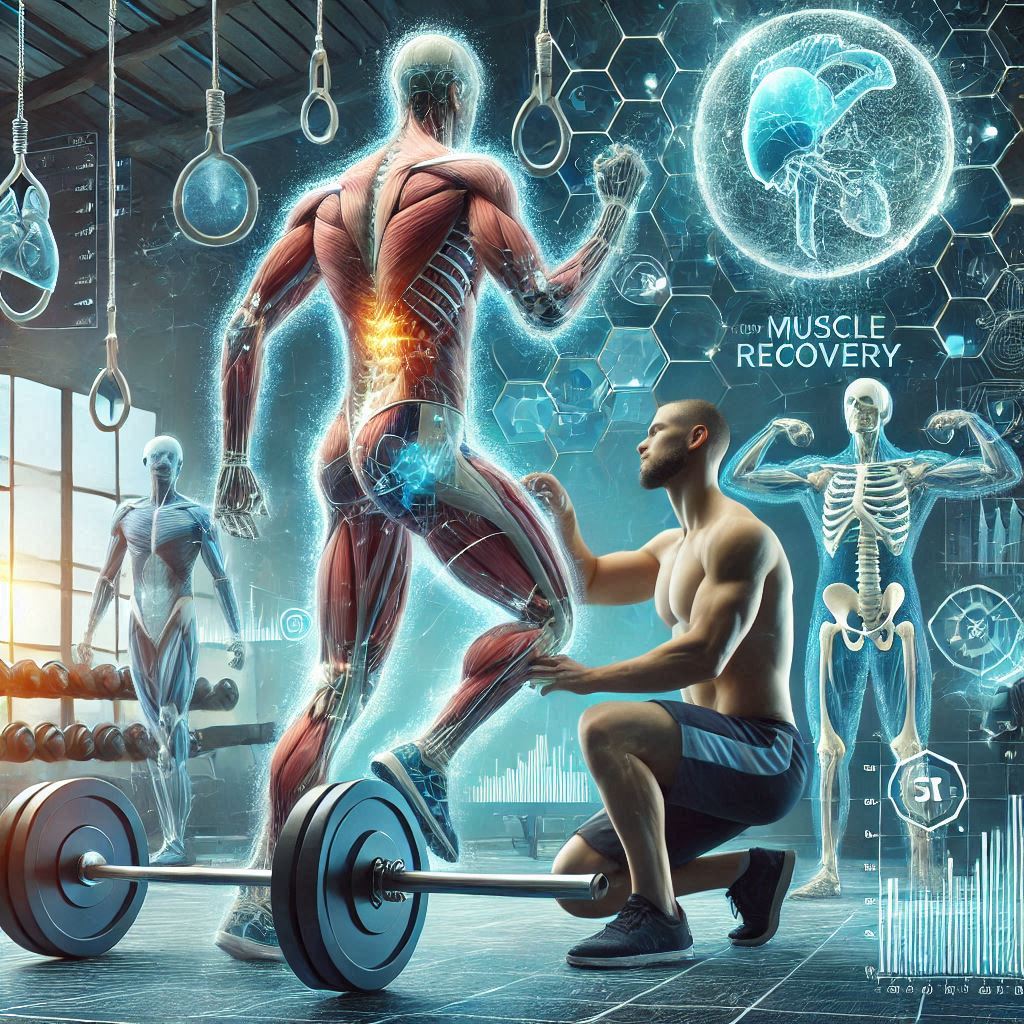
When you exercise, especially during strength training or intense cardio, your muscles experience tiny micro-tears. These tears are a normal part of the process that leads to muscle growth and adaptation. However, recovery is when the magic happens. Your body repairs these tears, making your muscles stronger and more resilient.
Key factors influencing muscle recovery include:
- Exercise intensity: The harder you work, the more recovery your body needs.
- Nutrition and hydration: Proper fuel helps repair and replenish your muscles.
- Sleep: Your body’s natural recovery phase occurs during deep sleep cycles.

Top Recovery Techniques Backed by Science
- Rest and Sleep
- Aim for 7-9 hours of quality sleep per night. Deep sleep is when your body produces growth hormones essential for repair.
- Take rest days seriously to allow muscles to heal and rebuild.
- Nutrition and Hydration
- Consume protein-rich meals within 30-60 minutes post-workout to kickstart muscle repair.
- Include carbohydrates to replenish glycogen stores.
- Stay hydrated to maintain muscle function and reduce fatigue.
- Stretching and Mobility Exercises
- Incorporate dynamic stretches before workouts and static stretches afterward to enhance flexibility and prevent stiffness.
- Yoga and mobility routines can aid in reducing muscle tension.
- Foam Rolling and Massage Therapy
- Foam rolling helps release muscle knots and improve blood flow to sore areas.
- Massage therapy reduces muscle tightness and promotes relaxation.
- Active Recovery
- Engage in light activities such as walking, swimming, or yoga on rest days to boost circulation and speed up recovery.
The Role of Supplements in Recovery
While a balanced diet is crucial, supplements can enhance recovery when used correctly:
- Protein Powders: Support muscle repair and growth.
- BCAAs (Branched-Chain Amino Acids): Reduce muscle soreness and fatigue.
- Magnesium: Helps relax muscles and prevent cramps.
Pro Tip: Always consult with a healthcare professional before starting any supplement regimen.
Mistakes to Avoid During Recovery
- Overtraining
- Skipping rest days can lead to burnout and increase the risk of injuries.
- Neglecting Hydration
- Even mild dehydration can slow down muscle recovery.
- Ignoring Pain
- Pain can indicate an injury. Don’t push through it; seek medical advice if needed.
How to Tailor Recovery Based on Your Fitness Goals
- For Strength Trainers: Focus on protein intake and prioritize rest between heavy lifting sessions.
- For Endurance Athletes: Replenish glycogen stores with carbohydrates and hydrate thoroughly.
- For General Fitness: Balance strength and cardio exercises with adequate rest days.
Conclusion
Muscle recovery isn’t just about resting; it’s an active process involving proper nutrition, sleep, and smart recovery techniques. By understanding the science behind recovery and applying these tips, you’ll not only feel better after workouts but also achieve your fitness goals faster. Prioritize recovery today to unlock your full potential tomorrow.





Post Comment