
A Complete Guide to Athletics: Rules, Events, Equipment, and Tips for Succes
Introduction
Athletics is one of the oldest and most prestigious sports, showcasing the limits of human speed, strength, and endurance. From track and field to road running and marathons, athletics encompasses a variety of events that test an athlete’s physical and mental capabilities. This guide delves into the world of athletics, covering its history, events, equipment, safety, and tips for excelling in the sport.
Brief History and Overview
- Origins: Athletics dates back to ancient civilizations, with the Olympic Games in ancient Greece being its most iconic representation.
- Modern Evolution: Athletics was formalized in the 19th century, becoming a cornerstone of the modern Olympic Games in 1896.
- Popularity: As a global sport, it attracts millions of participants and fans, with events ranging from sprints to long-distance races, jumps, and throws.
- Benefits: Enhances cardiovascular health, builds strength, improves coordination, and fosters discipline.
How to Participate in Athletics
Key Categories of Events
- Track Events:
- Sprints: 100m, 200m, 400m.
- Middle Distance: 800m, 1500m.
- Long Distance: 5000m, 10,000m.
- Relays: 4x100m, 4x400m.
- Field Events:
- Jumps: Long jump, triple jump, high jump, pole vault.
- Throws: Shot put, discus, javelin, hammer throw.
- Combined Events:
- Heptathlon (7 events) and decathlon (10 events).
- Road Events:
- Marathons, half-marathons, race walking.
Basic Rules
- Each event has specific regulations regarding technique, lane usage, and performance criteria.
- Participants must comply with start and finish requirements, avoid disqualifications (e.g., false starts), and respect other competitors’ lanes or spaces.
Equipment Needed
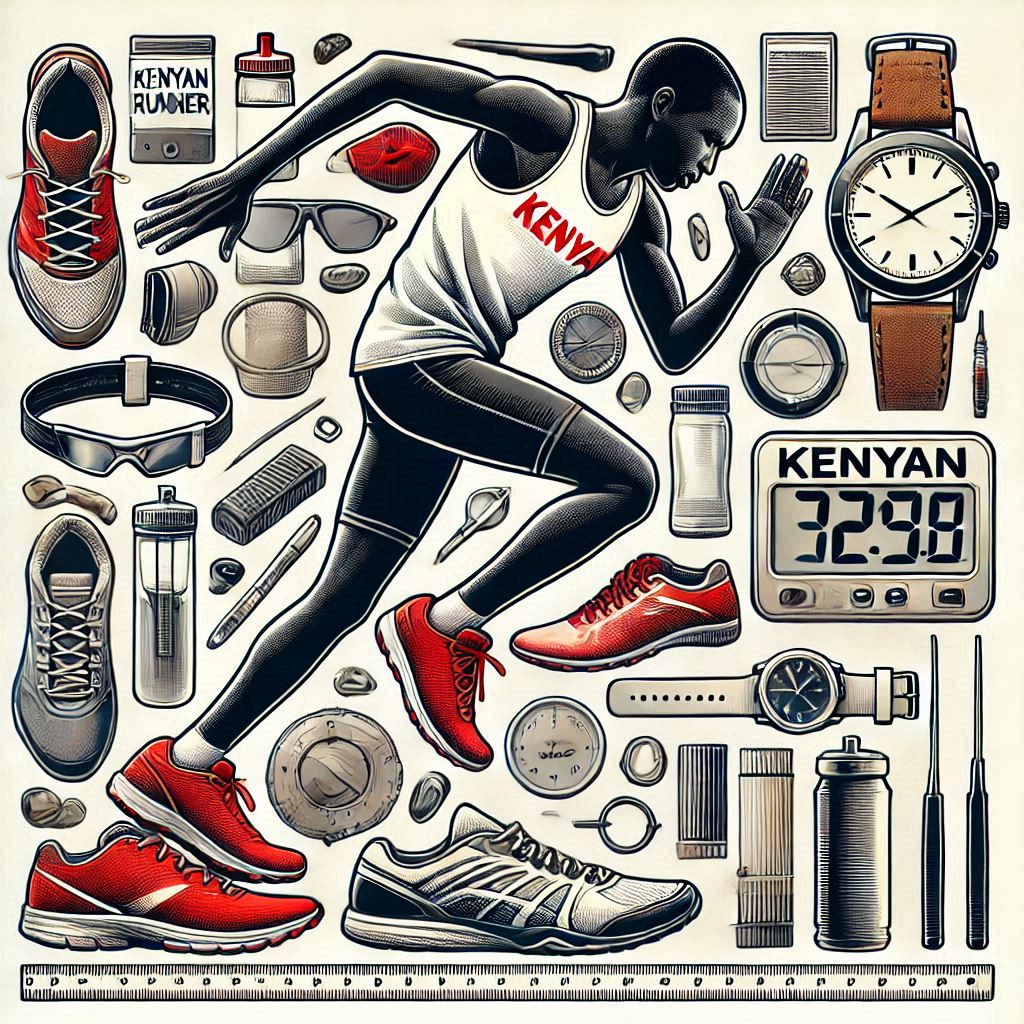
- Essential Gear for Track Events:
- Running Shoes: Lightweight and suited for specific track surfaces.
- Apparel: Breathable, form-fitting attire for optimal movement.
- Starting Blocks: Used by sprinters for explosive starts.
- Field Event Gear:
- Javelin, Shot Put, Discus: Specific implements for throwing events.
- Pole Vault Poles: Lightweight and flexible.
- Landing Mats: For high jump and pole vault safety.
- General Equipment:
- Timing devices, measuring tapes, and crossbars.
Risks and Safety Tips
Potential Risks
- Injuries: Sprains, muscle tears, and overuse injuries are common in athletics.
- Environmental Factors: Heat, cold, and uneven surfaces can pose risks.
Safety Tips
- Warm-Up and Cool-Down: Essential for preventing muscle strains and improving performance.
- Proper Technique: Learn correct form for running, jumping, and throwing.
- Hydration: Maintain fluid balance to avoid dehydration.
- Protective Gear: Use necessary equipment like spikes and padding for specific events.

Tips for Success in Athletics
- Set Goals: Define clear, achievable targets for training and competition.
- Focus on Technique: Perfect form and efficiency for your chosen events.
- Incorporate Cross-Training: Enhance overall fitness with activities like swimming or cycling.
- Nutrition and Rest: A balanced diet and adequate sleep are vital for recovery and performance.
- Mental Preparation: Build focus and confidence through visualization and mindfulness.
Learning Tips for Beginners
- Start with Basics: Join a local athletics club or school program to learn foundational skills.
- Participate in Multiple Events: Explore different categories to find your strengths and preferences.
- Track Progress: Use a training journal to monitor improvement.
Conclusion
Athletics is a versatile and rewarding sport that offers something for everyone, whether you’re sprinting, jumping, or throwing. With the right training, equipment, and determination, you can excel in this dynamic sport and enjoy its physical and mental benefits. From amateur participation to professional competition, athletics is a journey that inspires greatness and perseverance.
Let me know if you’d like to add specific event details, workout plans, or featured images!




Post Comment